Introduction
Clinical microbiology laboratories isolate, identify, and test the susceptibility of bacteria, fungi, viruses, and parasites from patient specimens such as blood, urine, sputum, stool, and wound swabs. These tests—Gram stain, culture, rapid antigen detection, PCR, and MALDI‑TOF—provide the definitive diagnoses needed to guide targeted antimicrobial therapy, support stewardship, and curb resistance. In Madurai, Agam Diagnostics embodies this role by offering a fully automated, NABL‑ and ICMR‑accredited microbiology suite that includes blood‑culture systems, urine and sputum cultures, molecular PCR panels, and rapid antigen tests. Free home collection and rapid turnaround further ensure timely, accurate results for patients across urban and rural Tamil Nadu.
Blood Cultures and Sepsis Management
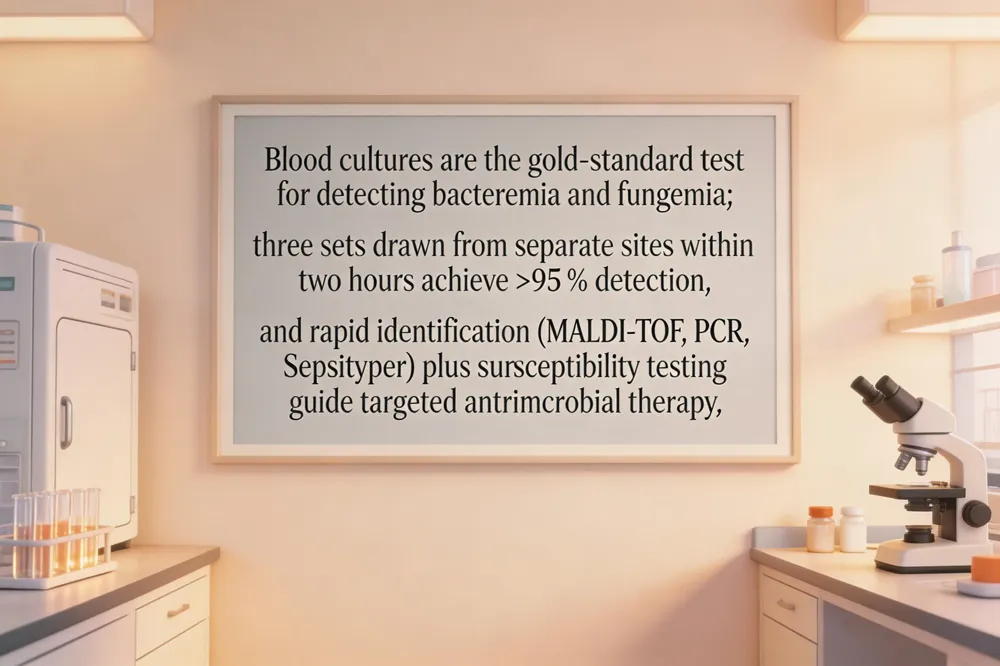
Blood culture is the gold‑standard test for detecting bacteremia and fungemia, allowing early identification of pathogens such as Staphylococcus aureus, Escherichia coli and Candida species. For suspected endocarditis, three sets of aerobic and anaerobic bottles should be drawn from separate sites within two hours, achieving >95 % detection.(For suspected endocarditis, three blood culture sets within two hours increase detection to >95‑99% positive yield in untreated patients. Proper collection requires aseptic technique, adequate blood volume (8‑10 mL per adult bottle), and timing before antibiotics.(Blood cultures require two bottles (aerobic and anaerobic) per set, with each bottle containing 8–10 mL of blood for adults, to maximize pathogen detection. Once a bottle flags positive, rapid identification methods—MALDI‑TOF, PCR panels, or Sepsityper kits—provide organism data within hours,(MALDI‑TOF mass spectrometry identifies cultured isolates in hours for $15‑30 per specimen and MALDI‑TOF with Sepsityper® kit rapidly identifies organisms from positive blood cultures while susceptibility testing (disk diffusion, broth microdilution, automated systems) adds minimum inhibitory concentrations.(Antibiotic susceptibility (culture and sensitivity) testing determines the minimum inhibitory concentrations of antibiotics against isolated microbes, enabling targeted therapy and reducing the risk of resistance. The combined result guides targeted antimicrobial therapy, shortening empiric broad‑spectrum use, improving patient outcomes, and supporting antimicrobial stewardship.(Rapid and accurate microbiology results are critical for early initiation of effective antimicrobial therapy, which improves patient outcomes and curbs the spread of resistant organisms.
Urine Cultures in Urinary Tract Infections
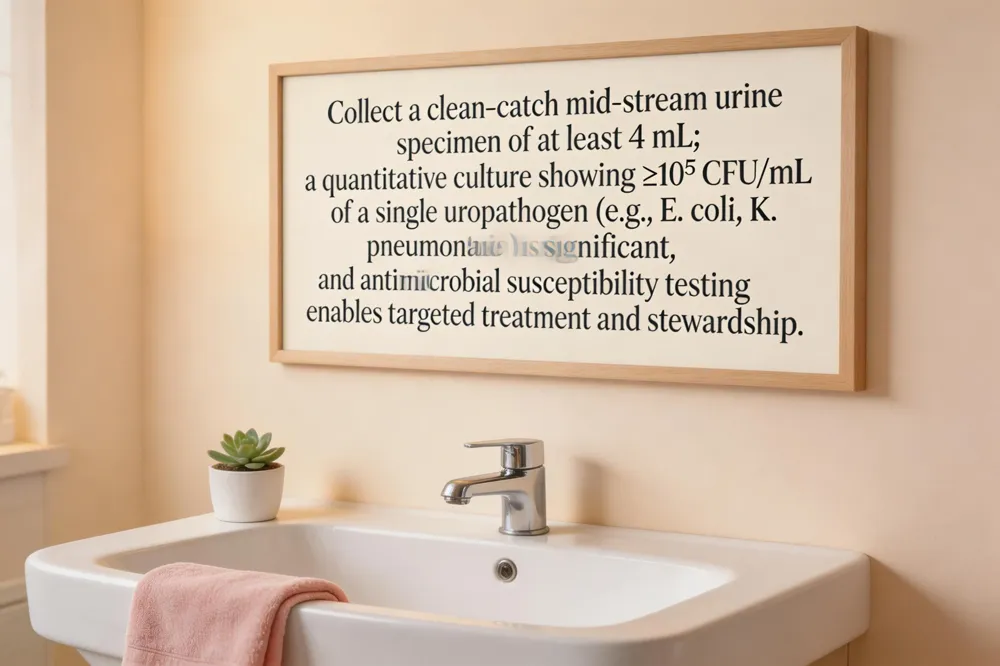
Specimen collection: A clean‑catch mid‑stream urine sample of at least 4 mL is obtained using a sterile container; proper technique minimizes contamination and preserves organism viability. Quantitative thresholds: Culture results are expressed as colony‑forming units per millilitre (CFU/mL). A count of ≥10⁵ CFU/mL of a single uropathogen (e.g., Escherichia coli, Klebsiella pneumoniae) is considered significant for infection, while lower counts may be reported as colonisation or contamination depending on clinical context. Antimicrobial susceptibility: Following isolation, susceptibility (culture‑and‑sensitivity) testing determines the minimum inhibitory concentrations of antibiotics, enabling clinicians to select targeted therapy and avoid unnecessary broad‑spectrum drug use, thereby improving outcomes and curbing resistance.
What urine sample volume and colony‑count threshold indicate a significant urinary tract infection?
A clean‑catch mid‑stream urine specimen of at least 4 mL is collected; a quantitative culture showing ≥10⁵ CFU/mL of uropathogens such as E. coli or Klebsiella pneumoniae is considered significant.
Why is antimicrobial susceptibility testing essential after a positive urine culture?
Antimicrobial susceptibility testing (culture and sensitivity) determines the minimum inhibitory concentrations of antibiotics against the isolated organism, allowing targeted therapy and reducing the use of broad‑spectrum agents.
Respiratory Tract Specimens: Sputum, Nasal Swabs, and Throat Swabs
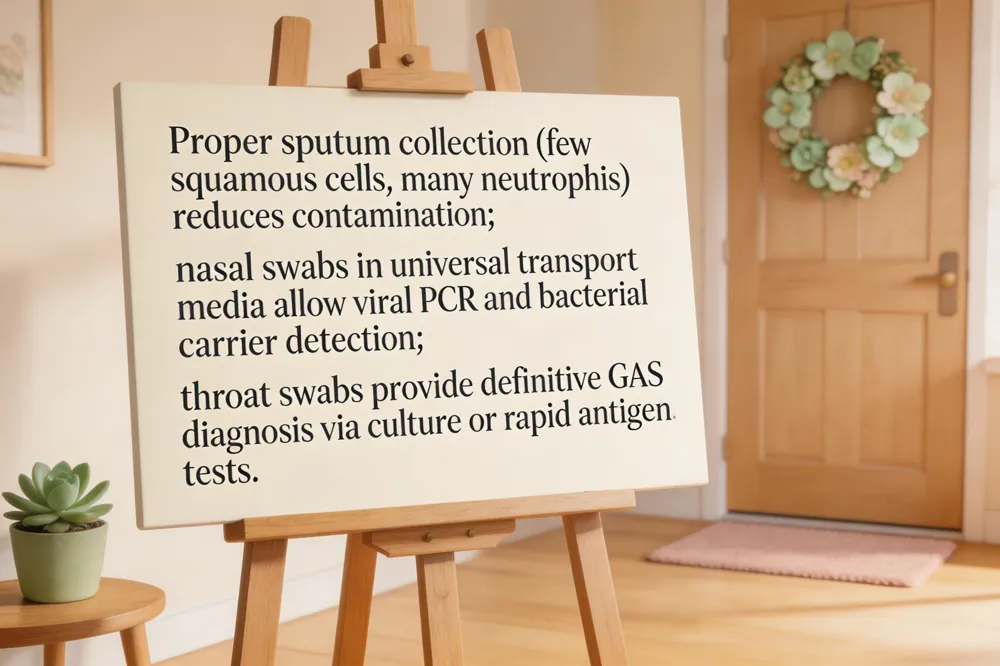
Proper sputum collection is essential for reliable diagnosis of lower‑respiratory infections. The patient should first rinse the mouth, then take a deep cough and expectorate a specimen into a sterile container. Laboratory assessment looks for few squamous epithelial cells and abundant polymorphonuclear leukocytes; samples meeting these criteria are processed for Gram stain and culture, reducing contamination and improving pathogen recovery.
Nasal swabs, preferably flocked and placed in universal transport media, are used for both viral PCR panels (influenza, RSV, SARS‑CoV‑2) and bacterial carrier detection (e.g., MRSA). Rapid multiplex assays can deliver results within 1‑2 hours, guiding early antiviral or antimicrobial therapy.
Group A Streptococcus (GAS) pharyngitis is definitively diagnosed by throat swab culture, the gold‑standard method. In practice, Rapid antigen detection tests (RADTs) are widely employed for same‑day results, while culture confirms negative RADTs and provides susceptibility data. Laboratories such as Agam Diagnostics in Madurai offer free home collection, automated processing, and NABL/ICMR‑accredited rapid turnaround, ensuring timely, accurate respiratory pathogen identification.
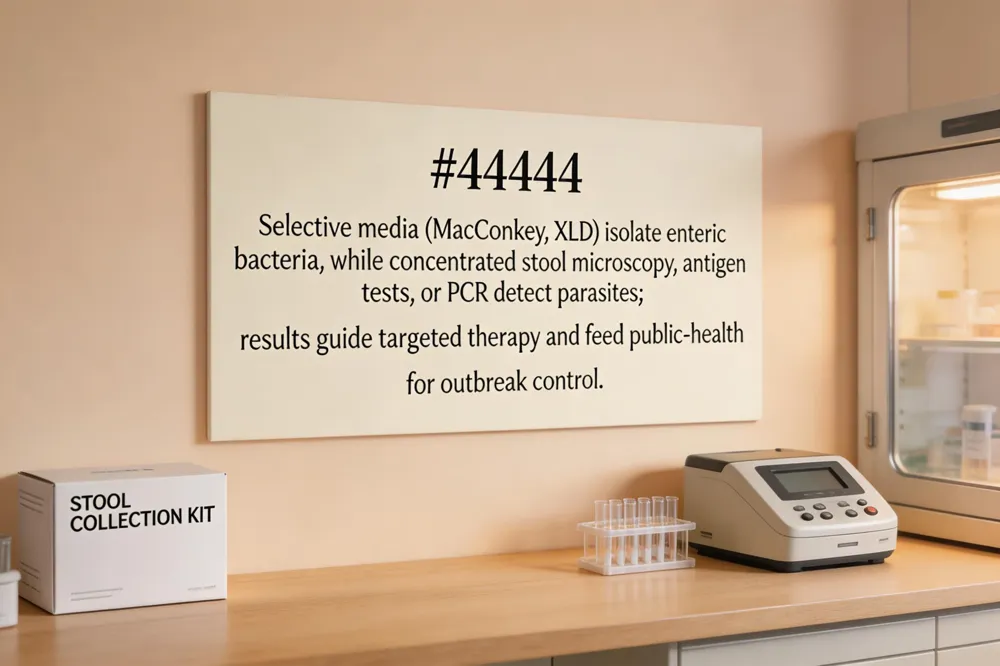
Stool and gastrointestinal pathogen detection is a cornerstone of infectious‑disease diagnostics. Routine enteric bacterial cultures use selective media such as MacConkey and XLD agar to isolate Salmonella, Shigella, Campylobacter and pathogenic Escherichia coli, which are the most common causes of gastroenteritis and dysentery. Parallel parasite identification employs concentrated stool specimens examined by microscopy for ova, cysts and trophozoites of Giardia, Entamoeba and helminths, often supplemented by antigen or PCR assays for increased sensitivity. The combined bacterial and parasitic data not only guide targeted antimicrobial or antiparasitic therapy but also feed public‑health surveillance systems. By pinpointing the exact organism, laboratories enable clinicians to implement appropriate infection‑control measures, while health authorities can track outbreak trends, issue advisories and allocate resources for water‑sanitation interventions. In regions such as Madurai, where water‑borne diarrheal disease is prevalent, rapid reporting of stool culture results is essential for timely outbreak response and disease prevention.
Advanced Diagnostics: Molecular Panels, MALDI‑TOF, and Automation
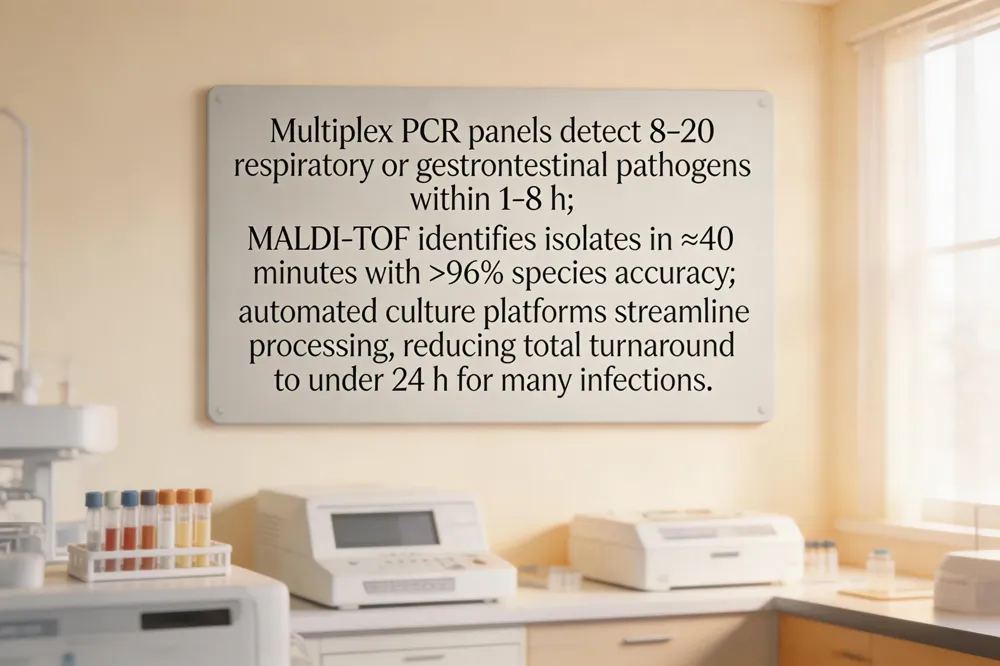
PCR multiplex panels enable simultaneous detection of 8‑20 respiratory or gastrointestinal pathogens, including key resistance genes, within 1‑8 hours. This rapid, comprehensive data guides clinicians to de‑escalate broad‑spectrum antibiotics early, supporting antimicrobial stewardship and improving outcomes. MALDI‑TOF mass spectrometry identifies bacterial and yeast isolates in ≈40 minutes with genus‑level accuracy > 98 % and species‑level accuracy > 96 %, far faster than traditional biochemical methods that can take days. Automated culture platforms such as BD Kiestra TLA, Copan WASPLab, and BACTEC systems standardize inoculation, reduce manual errors, and cut incubation times by 2‑30 hours, Deliver integrated workflow—from automated specimen processing to MALDI‑TOF and multiplex PCR—shortens the overall turnaround time from 48‑96 hours (conventional culture + susceptibility) to under 24 hours for many infections, enabling earlier targeted therapy and better patient prognoses.
Conclusion
Key takeaways: Microbiology testing remains the cornerstone of infectious‑disease diagnosis, providing rapid identification of bacteria, fungi, parasites and resistance genes from specimens such as blood, urine, sputum, stool and wound tissue. Timely culture and susceptibility results (24‑48 hours for routine isolates, an additional 24‑48 hours for AST) enable clinicians to initiate targeted antimicrobial therapy, curb the spread of resistance and improve patient outcomes. Advanced tools—MALDI‑TOF, automated blood‑culture systems, multiplex PCR panels and next‑generation sequencing—shorten turnaround times, increase detection rates and support antimicrobial‑stewardship programs. Proper specimen collection, labeling and transport are essential for accurate results, and accreditation (NABL, ICMR, ISO 15189) guarantees adherence to international quality standards.
Agam Diagnostics' commitment: Situated in Madurai, Tamil Nadu, Agam Diagnostics offers a fully automated microbiology suite that integrates rapid identification platforms (MALDI‑TOF, VITEK, BACTEC) with molecular diagnostics. The laboratory is NABL‑ and ICMR‑accredited, follows strict ICMR specimen‑handling guidelines, and provides free home collection to eliminate access barriers. Rapid turnaround (routine cultures within 24–48 hours) and online reporting empower clinicians to make evidence‑based treatment decisions promptly, thereby reducing hospital stays, limiting unnecessary broad‑spectrum antibiotic use and supporting public‑health surveillance in the region.