Introduction
RT‑PCR (reverse transcription polymerase chain reaction) converts SARS‑CoV‑2 RNA into complementary DNA and amplifies specific viral gene targets, such as N, E, RdRp or S genes, allowing detection of a few copies of viral material. Because the assay amplifies genetic sequences, it achieves >95 % sensitivity and near‑100 % specificity when specimens—preferably nasopharyngeal swabs—are collected correctly, making it the gold‑standard diagnostic for active COVID‑19 infection. A positive result confirms current viral replication, while quantitative cycle‑threshold (Ct) values provide an indirect measure of viral load that correlates with infectivity and innate immune activation. By establishing the exact timing of infection, RT‑PCR guides the interpretation of serological tests, maps seroconversion kinetics, and supports vaccine‑efficacy studies, linking molecular detection directly to the host’s immune response and public‑health decision‑making.
1. RT‑PCR Is the Gold‑Standard Molecular Test
Mechanism of reverse transcription and amplification
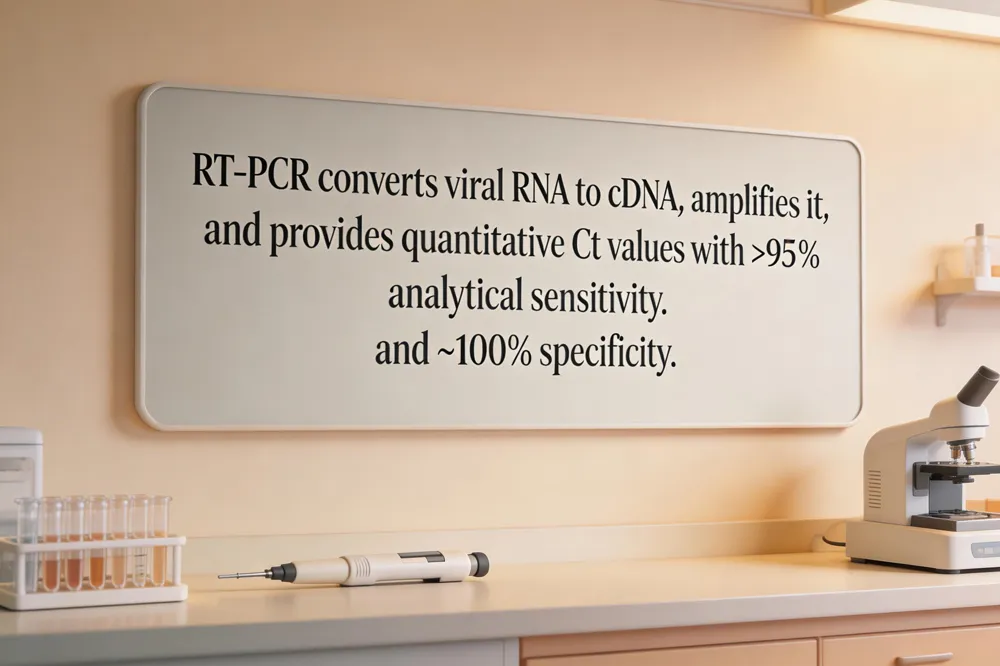
RT‑PCR first converts SARS‑CoV‑2 RNA into complementary DNA (cDNA) using reverse transcriptase.
The cDNA then serves as a template for polymerase chain reaction, where specific primers (targeting N, E, RdRp, or S genes) and fluorescent probes amplify the viral genome exponentially.
Real‑time detection of fluorescence after each cycle yields a cycle‑threshold (Ct) value, allowing even a single viral copy to be identified.
High sensitivity and specificity
Because of this amplification, RT‑PCR detects as few as 10‑100 viral RNA copies per reaction, giving analytical sensitivity >95 % when specimens are collected correctly.
Specific primers and probes ensure specificity approaching 100 %, minimizing false‑positives.
Lower Ct values reflect higher viral loads, correlating with infectivity and disease severity, which is essential for clinical and public‑health decisions.
Accreditation standards (NABL, ICMR)
Laboratories such as Agam Diagnostics follow NABL and ICMR accreditation adhering to stringent quality‑control protocols, internal controls, and external proficiency testing.
These standards guarantee reproducible performance, rapid turnaround (≤24 hours) and reliable results for diagnosing active COVID‑19 infection and supporting downstream immunological studies.
2. Sample Collection: The Key to Accurate Results
Nasopharyngeal (NP) swabbing is the gold‑standard for COVID‑19 RT‑PCR because the posterior nasopharynx harbors the highest viral load during the first 5‑7 days of infection. A correctly performed NP swab reaches this region, is rotated for at least 10 seconds, and is placed immediately in viral transport medium; this maximises the amount of RNA available for amplification and drives the assay’s high sensitivity (>95%). Sub‑optimal collection—shallow nasal or oropharyngeal swabs, insufficient rotation, or delayed transport—lowers viral RNA yield, increasing the risk of false‑negative results, especially when testing is done very early (≤3 days post‑exposure) or after viral clearance. Trained phlebotomists at Agam Diagnostics follow strict protocols and temperature‑controlled logistics to preserve RNA integrity, ensuring reliable RT‑PCR outcomes and supporting accurate immunological assessments.
3. Timing of Testing and False‑Negative Risks
RT‑PCR is most reliable when viral RNA concentrations peak, which occurs around day 5‑6 after symptom onset or 5‑7 days after exposure. During this window the assay’s limit of detection (10‑100 copies) is comfortably exceeded, yielding high sensitivity and specificity. Testing too early—within the first 0‑3 days of exposure—often captures viral loads below this threshold, leading to false‑negative results. Likewise, testing after viral clearance can miss infection entirely. Because early testing can miss infection, clinical guidelines recommend repeat testing after 24‑48 hours when an initial negative result is obtained from a symptomatic individual or a high‑risk contact. This repeat approach improves diagnostic confidence and ensures timely isolation, contact tracing, and initiation of therapy, especially for vulnerable populations such as the immunocompromised.
4. Cycle‑Threshold (Ct) Values: Viral Load and Immune Response
RT‑PCR cycle‑threshold (Ct) values are the point at which fluorescence from amplified viral DNA exceeds background. Because each cycle roughly doubles the target, a lower Ct indicates that fewer cycles were needed to detect signal, reflecting a higher concentration of SARS‑CoV‑2 RNA in the specimen. In practice, Ct ≤ 20‑25 corresponds to a high viral load, while Ct > 30‑35 denotes low RNA levels. This quantitative surrogate correlates with several immunological parameters. Patients with low Ct values often exhibit stronger innate immune activation, particularly type I interferon responses, and are more likely to be infectious. Moreover, high viral loads accelerate the kinetics of adaptive immunity: IgM antibodies appear sooner and IgG seroconversion follows earlier, providing a temporal map of the host’s humoral response. Conversely, rising Ct values over time signal decreasing viral burden, coinciding with the resolution of cytokine spikes (e.g., IL‑6) and a shift toward recovery. Although Ct is not uniformly calibrated across platforms, it remains a valuable indicator of disease severity, transmissibility, and the timing of immune events.
5. RT‑PCR in Serology and Vaccine Efficacy Studies
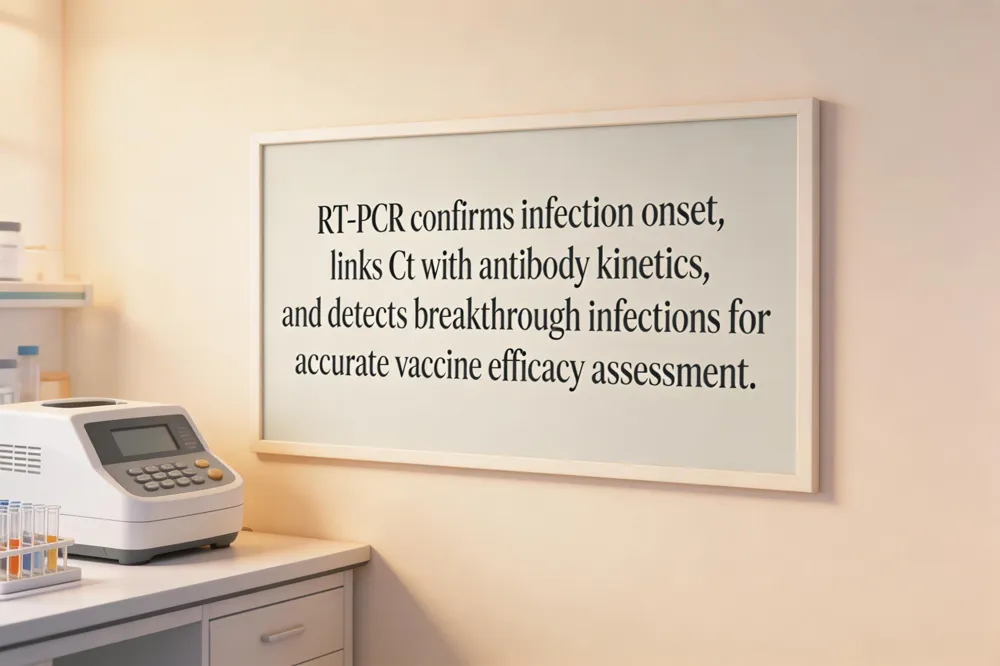
RT‑PCR is the gold‑standard method for confirming active SARS‑CoV‑2 infection before any serological testing. Because IgM and IgG antibodies appear only days after viral replication begins, a positive RT‑PCR result provides the precise infection onset needed to map seroconversion kinetics. This temporal anchor lets researchers link cycle‑threshold (Ct) values and viral load peaks with the timing of antibody emergence, distinguishing vaccine‑induced immunity from natural infection. In vaccine efficacy studies, RT‑PCR also identifies breakthrough infections by verifying that a new viral RNA signal reflects a genuine infection rather than lingering RNA fragments, allowing accurate calculation of vaccine protection against emerging variants. Combining RT‑PCR data with immunology panels (e.g., cytokine profiling, neutralizing antibody titers) offers a comprehensive picture of both active infection status and the host’s immune response, guiding personalized treatment and public‑health strategies.
6. Special Considerations for Immunocompromised Patients
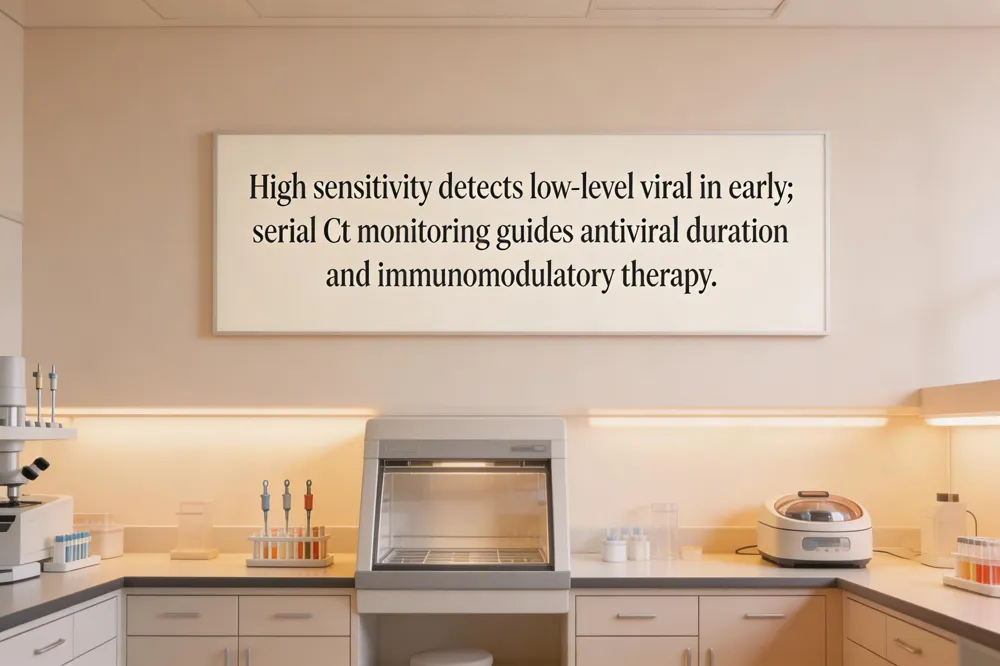
immunocompromised individuals often experience delayed viral clearance and can shed SARS‑CoV‑2 for weeks, making early detection critical. RT‑PCR’s high analytical sensitivity (detecting as few as 10–100 copies of viral RNA) enables identification of low‑level infection even before symptoms appear, allowing prompt isolation and initiation of targeted antivirals such as remdesivir or monoclonal antibodies. Serial RT‑PCR monitoring provides quantitative Ct values that reflect viral load kinetics; falling viral loads guide the duration of antiviral therapy and help decide when to add immunomodulatory agents like corticosteroids or IL‑6 blockers. By confirming active infection and tracking viral persistence, RT‑PCR reduces the risk of severe disease progression and informs personalized treatment strategies for this vulnerable population.
7. Integrated Immunology Panels at Agam Diagnostics
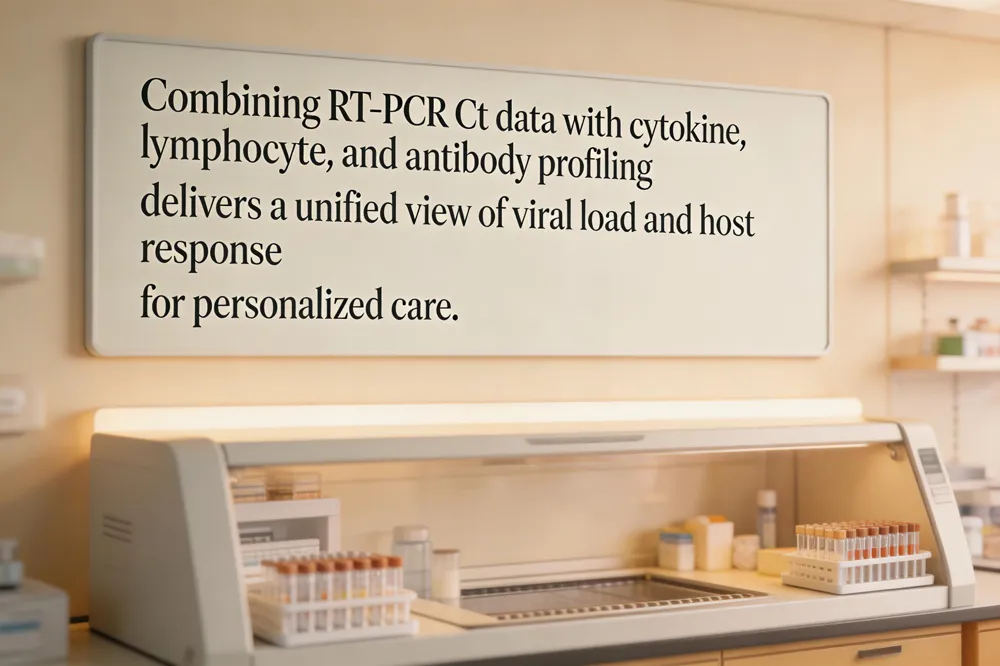
Agam Diagnostics combines its gold‑standard RT‑PCR COVID detectionplatform with a full suite immun immunology testing, delivering a comprehensive picture of both viral load and host response. The laboratory’s fully automated, NABL‑ and ICMR‑accredited RT‑PCR system provides results within 24 hours, and the same specimen can be used for quantitative cytokine profiling (e.g., IL‑6, CRP), lymphocyte subset analysis, and antibody titers. By linking Ct‑derived viral load values with these immunological biomarkers, clinicians can rapidly assess disease severity, predict progression, and tailor interventions such as antiviral therapy, immunomodulatory drugs, or booster vaccination. This integrated approach shortens the diagnostic timeline, reduces the need for multiple referrals, and supports timely, personalized clinical decision‑making.
Conclusion
In summary, nine essential facts about RT‑PCR for COVID‑19 emerge from the evidence: (1) it is the gold‑standard molecular test, detecting SARS‑CoV‑2 RNA with >95% sensitivity and near‑perfect specificity when specimens are properly collected. (2) Nasopharyngeal swabs reaching the posterior nasopharynx yield the highest viral load and minimize false‑negatives. (3) Viral load peaks 5‑6 days after symptom onset, so testing within this window maximizes detection. (4) Cycle‑threshold (Ct) values provide an indirect viral‑load measure, informing infectivity and disease severity. (5) Early RT‑PCR positivity precedes antibody seroconversion, guiding timing of serology. (6) False‑negatives arise from early testing, poor sampling, or low viral levels, warranting repeat tests. (7) RT‑PCR results drive rapid isolation, contact tracing, and therapeutic decisions. (8) Integration with immunology panels (cytokines, antibodies) yields a comprehensive view of host response. (9) High‑throughput, accredited laboratories (e.g., Agam Diagnostics) deliver ≤24‑hour turnaround, supporting both individual care and population‑level surveillance, underscoring RT‑PCR’s pivotal role in immunology research and public‑health strategy.